
How much will 10 mg lisinopril lower blood pressure — expected mm Hg drop
Table of Contents
- What is lisinopril and how it works
- Typical dosing and where 10 mg fits in
- How much will 10 mg lisinopril lower blood pressure — the core answer
- Clinical data and real-world results
- Factors that influence blood pressure response
- Onset, peak, and duration of effect
- Side effects and safety
- Comparing 10 mg to other doses and drugs
- Monitoring and adjusting dose — practical steps
- Special populations and clinical scenarios
What is lisinopril and how it works
Lisinopril is an angiotensin-converting enzyme (ACE) inhibitor commonly prescribed for hypertension (high blood pressure), heart failure, and after heart attacks. By blocking ACE, lisinopril reduces production of angiotensin II, a powerful vasoconstrictor, which leads to relaxation of blood vessels, decreased vascular resistance, and lowered blood pressure. It also reduces aldosterone secretion which can lower sodium and water retention, contributing further to BP reduction.
High blood pressure often requires consistent treatment and careful monitoring over time. Ordering medication online can help simplify the process and reduce the risk of missing refills. Many people choose to buy lisinopril without prescription online through reputable providers that offer convenient ordering, discreet packaging, and dependable delivery services.
Typical dosing and where 10 mg fits in
For adults with hypertension, lisinopril dosing commonly starts at 10 mg once daily for patients who are not volume-depleted or at risk for hypotension. Depending on baseline blood pressure and tolerance, clinicians may start lower (5 mg) in elderly or volume-depleted patients, or start at 20–40 mg in those with more severe hypertension. Typical maintenance doses range from 10–40 mg daily, with 10 mg representing a lower-middle, frequently used starting and maintenance dose.
How much will 10 mg lisinopril lower blood pressure — the core answer
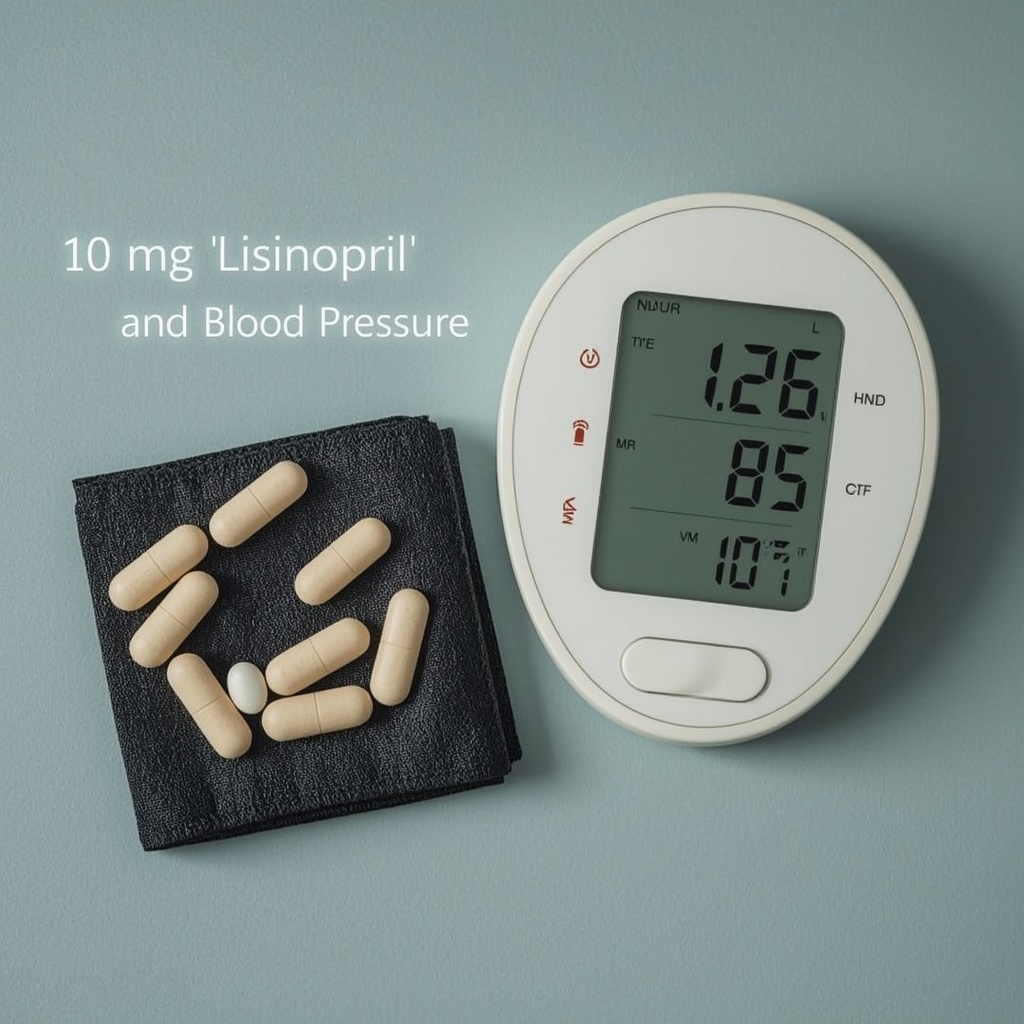
The amount 10 mg lisinopril lowers blood pressure varies by individual, but a realistic expectation for many patients is a 5–15 mm Hg reduction in systolic blood pressure and a 3–10 mm Hg reduction in diastolic pressure. On average, studies and clinical experience often report roughly a 8–12 mm Hg systolic drop with a 10 mg starting dose in mildly to moderately hypertensive patients, with variability depending on baseline BP, comorbidities, and concurrent medications.
Important: these are averages. Some patients experience larger decreases (15–20 mm Hg systolic), especially if their baseline BP is high or they are salt-sensitive; others may have minimal response (<5 mm Hg) and require dose escalation or switching drugs.
Clinical data and real-world results
Randomized trials and pooled analyses of ACE inhibitors provide context for expected BP reductions. Trials usually report dose-response: low doses produce modest reductions, and higher doses provide incremental benefit. For lisinopril specifically, meta-analyses show average reductions across doses that help set expectations for the 10 mg dose.
Here’s a simplified summary of expected average reductions seen in clinical settings.
| Dose of lisinopril (once daily) | Average systolic drop (mm Hg) | Average diastolic drop (mm Hg) |
|---|---|---|
| 5 mg | 4–8 | 2–5 |
| 10 mg | 8–12 | 4–8 |
| 20 mg | 10–15 | 6–10 |
| 40 mg | 12–18 | 7–12 |
Real-world registries often show slightly smaller average reductions than tightly controlled trials because of adherence issues, co-existing conditions, and polypharmacy. Still, the table gives a practical frame: 10 mg is expected to produce clinically meaningful BP lowering in many patients, especially as an initial step in therapy.
Factors that influence blood pressure response
Not all patients respond the same way to 10 mg lisinopril. These factors commonly modify the effect size:
- Baseline blood pressure: higher starting BP often equals larger absolute drops.
- Salt intake and volume status: high sodium intake or volume overload can blunt ACE inhibitor efficacy.
- Age: older patients might have stiffer arteries and need higher or combined therapy for the same effect.
- Renal function: impaired kidneys can change drug clearance and response; dose adjustments may be needed.
- Concomitant medications: diuretics, calcium-channel blockers, or beta-blockers can enhance or mask effect.
- Genetics and race: some populations (e.g., Black patients) often respond less to ACE inhibitor monotherapy and may require combination therapy.
Onset, peak, and duration of effect
Lisinopril begins lowering blood pressure within 1 hour of oral dosing in many patients, with a more noticeable effect by 6 hours and peak antihypertensive effect usually observed around 6–8 hours after the dose. The drug has a half-life of roughly 12 hours, allowing once-daily dosing; full steady-state effects are typically seen after several days to 2 weeks of consistent dosing. Clinicians often assess initial response within 1–2 weeks and confirm control over the first month.
Side effects and safety
When considering how much BP will drop, weigh benefits against potential adverse effects. Lisinopril is generally well tolerated, but notable side effects include:
- Dry cough (class effect of ACE inhibitors)
- Hypotension, especially after the first dose in volume-depleted patients
- Hyperkalemia (elevated potassium), particularly with renal impairment or potassium-sparing drugs
- Renal function changes — a rise in serum creatinine may occur and usually stabilizes; significant rises warrant evaluation
- Rare: angioedema, a potentially life-threatening swelling that requires urgent attention
Routine monitoring of BP, renal function, and potassium—typically 1–2 weeks after initiating or changing dose—is standard practice.
Comparing 10 mg to other doses and drugs
Clinicians often choose an antihypertensive regimen based on efficacy, side effects, comorbidities, and cost. Below is a quick comparison table showing average BP-lowering potency per class/dose to help contextualize 10 mg lisinopril.
| Medication / Dose | Approx. systolic reduction (mm Hg) | Notes |
|---|---|---|
| Lisinopril 10 mg | 8–12 | ACE inhibitor; good for CKD/proteinuria |
| Amlodipine 5 mg | 8–14 | Calcium-channel blocker; effective in older patients |
| Hydrochlorothiazide 12.5–25 mg | 7–10 | Thiazide diuretic; often used in combination |
| Losartan 50 mg | 6–12 | ARB alternative to ACE inhibitors |
Combining agents from different classes often produces additive reductions—e.g., lisinopril + thiazide may reduce systolic BP more than either alone, allowing use of modest doses like 10 mg lisinopril to achieve target BP with fewer side effects.
Monitoring and adjusting dose — practical steps
If you or a patient start 10 mg lisinopril, practical monitoring and adjustment follow a predictable pattern:
- Check blood pressure at home and in clinic within 1–2 weeks to gauge initial response.
- Laboratory tests: BMP (basic metabolic panel) including creatinine and potassium at baseline and 1–2 weeks after starting or changing dose.
- If systolic BP remains above goal by >10 mm Hg and drug is tolerated, consider increasing to 20 mg daily or adding a second agent.
- If symptomatic hypotension, severe hyperkalemia, or significant creatinine rise, stop or reduce dose and evaluate.
Special populations and clinical scenarios
Response to 10 mg lisinopril may differ in special groups. Here are high-level considerations:
| Population | Response / Considerations |
|---|---|
| Older adults | May be more sensitive to hypotension; start low (5 mg) and titrate slowly |
| Chronic kidney disease (CKD) | ACE inhibitors reduce proteinuria but require monitoring of creatinine and potassium; dose adjustments based on renal function |
| Pregnancy | Contraindicated—ACE inhibitors can cause fetal harm; discontinue if pregnancy is confirmed |
| Black patients | Often have less BP response to ACE inhibitor monotherapy; combination therapy recommended |
In heart failure, lower doses of lisinopril still confer benefit beyond BP lowering, while in post-MI care the dose strategy may differ; always follow cardiology guidance in those contexts.
Key takeaways for clinicians and patients: 10 mg lisinopril is a reasonable starting or maintenance dose with an expected average systolic reduction around 8–12 mm Hg, but individual response varies. Combine clinical monitoring, labs, and lifestyle measures—such as reducing sodium and improving adherence—to maximize benefit and reach target blood pressure safely.
FAQ
How much will 10 mg lisinopril lower blood pressure?
10 mg lisinopril typically lowers systolic blood pressure by about 5–15 mmHg and diastolic by about 3–10 mmHg in many patients, but individual response varies based on baseline BP, age, kidney function, race, and other medications. Some people see larger drops; others need higher doses or additional drugs.
How quickly does 10 mg lisinopril start to work and when is the full effect seen?
You may notice some blood pressure lowering within 1 hour, with peak effect around 6–8 hours. Maximal effect on clinic blood pressure usually develops over 2–4 weeks as the body reaches steady state.
Will 10 mg lisinopril lower severe high blood pressure enough on its own?
In moderate to severe hypertension, 10 mg may not be sufficient alone. Many patients with higher baseline BP need higher doses or a second agent (for example a thiazide or calcium channel blocker) to reach target BP.
Does body weight affect how much 10 mg lisinopril lowers blood pressure?
Yes. Larger body mass and obesity can blunt the effect of a fixed dose; overweight patients often need higher doses or combination therapy to achieve the same BP reduction as lighter patients.
Can age or race change the response to 10 mg lisinopril?
Yes. Older adults and people of Black/African descent may have smaller BP responses to ACE inhibitors like lisinopril when used alone; combination therapy is often recommended in those groups for better control.
How long should I wait before my doctor increases lisinopril from 10 mg if BP is still high?
Doctors usually recheck blood pressure after 2–4 weeks at a new dose. If BP is not at goal and there are no side effects, they may increase the dose or add another medication after that period.
What side effects should I expect with 10 mg lisinopril?
Common side effects include dizziness (especially on standing), cough, and fatigue. Less common but serious effects are high potassium, kidney function changes, and rare angioedema. Report severe dizziness, swelling of face/throat, or difficulty breathing immediately.
Does 10 mg lisinopril affect kidney function or potassium?
Lisinopril can increase potassium and alter kidney function, particularly in people with existing kidney disease or those taking potassium supplements, potassium-sparing diuretics, or NSAIDs. Your clinician will usually check BKP (basic metabolic panel) after starting or changing dose.
Can pregnancy or breastfeeding be affected by lisinopril 10 mg?
ACE inhibitors, including lisinopril, can cause serious fetal harm and are contraindicated in pregnancy. Women of childbearing potential should use reliable contraception and notify their clinician if pregnancy is planned or suspected. Consult regarding breastfeeding.
Is it safe to combine 10 mg lisinopril with over-the-counter meds like ibuprofen?
Regular NSAID use (ibuprofen, naproxen) can reduce the blood pressure–lowering effect of ACE inhibitors and increase risk of kidney problems. Occasional use may be acceptable, but discuss regular NSAID use with your clinician.
What should I do if I feel lightheaded after taking 10 mg lisinopril?
Sit or lie down until symptoms pass and get up slowly to reduce orthostatic dizziness. If lightheadedness is severe or persistent, contact your provider; dose adjustment or monitoring may be needed.
How does alcohol affect the blood pressure lowering of 10 mg lisinopril?
Alcohol can enhance blood pressure lowering and increase dizziness or fainting risk. Limit alcohol and avoid drinking heavily, particularly after starting or increasing lisinopril.
Will 10 mg lisinopril cause a cough for everyone?
No. A dry persistent cough is a known side effect in some patients (up to roughly 5–20% depending on studies). If a cough develops and is bothersome, switching to an ARB is a common alternative.
If my BP is controlled with lifestyle changes, do I still need 10 mg lisinopril?
If lifestyle measures alone achieve and maintain target BP, medication may not be necessary. However, most people on lisinopril need ongoing assessment; never stop medication without clinician guidance.
How does missed dosing of 10 mg lisinopril affect blood pressure control?
Missing occasional doses may not cause immediate harm, but consistent adherence is important for steady BP control. If you miss a dose, take it when you remember unless it's near the time for the next dose; do not double-dose.
Can 10 mg lisinopril prevent heart attacks or strokes?
Lisinopril reduces cardiovascular risk by lowering BP and improving heart/kidney outcomes in certain patients. The absolute prevention benefit depends on overall cardiovascular risk profile, BP control, and other treatments.
How does 10 mg lisinopril compare to 5 mg in blood pressure reduction?
Moving from 5 mg to 10 mg typically produces an incremental additional BP reduction — often several mmHg systolic. The relationship isn’t linear for everyone; some derive little extra benefit and others more.
How does 10 mg lisinopril compare to 20 mg lisinopril in efficacy?
20 mg generally offers greater BP reduction than 10 mg, but the extra benefit may be modest for some patients. Clinicians balance increased efficacy against higher risk of side effects when escalating dose.
Is 10 mg lisinopril as effective as enalapril 10 mg?
Both are ACE inhibitors and have similar mechanisms; however, direct potency differs by molecule. Enalapril 10 mg and lisinopril 10 mg are roughly comparable in effect for many patients, but individual response varies.
How does 10 mg lisinopril compare to losartan 50 mg (an ARB)?
ARBs and ACE inhibitors often have similar average BP-lowering effects. Some people tolerate ARBs better (less cough, lower angioedema risk). Therapeutic choice depends on tolerance, comorbidities, and cost/coverage.
How does 10 mg lisinopril compare with amlodipine 5 mg (a calcium channel blocker)?
Amlodipine may lower systolic BP effectively and often causes peripheral edema rather than cough. In many cases, amlodipine 5 mg and lisinopril 10 mg can produce similar BP reductions, but side effect profiles and patient characteristics guide choice.
If 10 mg lisinopril doesn’t reach target BP, is it better to double the dose or add a second drug?
Clinical guidelines often favor adding a second complementary drug (e.g., thiazide diuretic or calcium channel blocker) rather than maximizing one drug, because combination therapy can improve efficacy with fewer side effects than very high single-agent doses.
How does 10 mg lisinopril compare to hydrochlorothiazide 12.5–25 mg?
Thiazide diuretics and ACE inhibitors each lower BP effectively; hydrochlorothiazide often reduces systolic BP by several mmHg similar to lisinopril. Combining them is a common, effective strategy due to synergistic mechanisms.
Does 10 mg lisinopril work differently than other ACE inhibitors for diabetics or kidney disease?
ACE inhibitors are often first-line in patients with diabetes or proteinuric kidney disease because they protect kidney function beyond BP lowering. Lisinopril at appropriate doses is effective, but dose and monitoring depend on kidney function.
How does lifestyle modification compare to 10 mg lisinopril in lowering BP?
Lifestyle changes (weight loss, DASH diet, sodium reduction, exercise, limiting alcohol) can each lower systolic BP by 5–12+ mmHg individually; combined interventions often produce reductions comparable to or greater than a single low-dose medication. Medications are added when lifestyle alone is insufficient.
Does 10 mg lisinopril combine well with a thiazide diuretic for greater BP reduction?
Yes. Combining lisinopril with a thiazide (e.g., HCTZ) is common and usually produces additive BP lowering while mitigating some side effects like potassium changes. This combination is often more effective than increasing the lisinopril dose alone.
How does 10 mg lisinopril compare to a beta-blocker like metoprolol for lowering BP?
Beta-blockers lower BP but act differently and are not always first-line for uncomplicated hypertension. Lisinopril often performs better for preventing some cardiovascular outcomes in certain patient groups; choice depends on heart rate, comorbidities, and tolerance.
Is adding a calcium channel blocker better than doubling lisinopril from 10 mg to 20 mg?
Adding a calcium channel blocker is frequently more effective for many patients than doubling the ACE inhibitor dose, offering complementary mechanisms and possibly fewer side effects than higher monotherapy dosing.
How does 10 mg lisinopril compare to fixed-dose combination pills (ACE inhibitor + diuretic)?
Fixed-dose combinations often improve convenience and adherence and can deliver greater BP reduction than a single agent. A combination with lisinopril typically lowers BP more than lisinopril 10 mg alone and may help reach targets faster.
If I switch from lisinopril 10 mg to an ARB, will BP lowering be the same?
Many patients achieve similar BP control with an ARB as with an ACE inhibitor, and ARBs often cause less cough. The exact effect depends on the specific ARB and dose; consult your clinician for an appropriate equivalent dose.
How does 10 mg lisinopril compare to lifestyle plus low-dose medication?
Lifestyle plus a low dose like lisinopril 10 mg often yields better results than either alone. Combining healthy habits with medication usually achieves BP goals more reliably and may allow lower drug doses.
Are there interactions that make 10 mg lisinopril less effective compared to other drugs?
Yes. NSAIDs can blunt ACE inhibitor effects; combining with potassium-sparing drugs raises hyperkalemia risk; dual renin-angiotensin blockade (ACE inhibitor + ARB or aliskiren) increases harms without routine benefit. These interactions can reduce safety or effectiveness.
How should decisions be made between increasing lisinopril dose versus switching agents?
Decisions consider current BP, side effects, kidney function, potassium, comorbidities, and patient preferences. Often clinicians try a dose increase if tolerable, but switching or adding a complementary agent is common when control is inadequate or side effects occur.